
Critical safety knowledge should not disappear when the signal drops
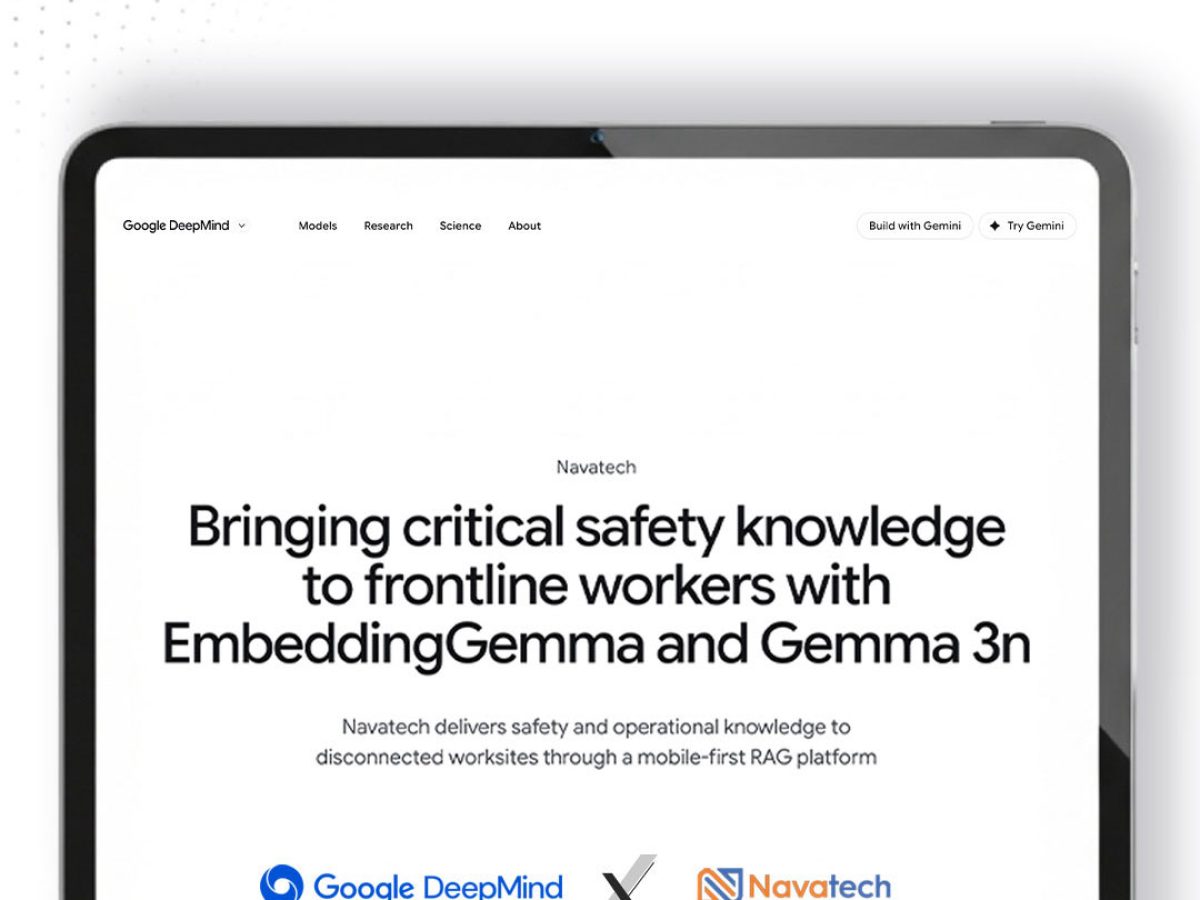
Navatech was recently featured by Google DeepMind in the Gemmaverse for our work using Embedding Gemma and Gemma 3n to bring safety and operational knowledge closer to frontline workers.
Read the full Google DeepMind feature here:
https://deepmind.google/models/gemma/gemmaverse/navatech/
For us, this feature matters because it highlights a problem we see across high-risk worksites every day. Safety knowledge usually exists inside an organisation, but it is not always available to the person who needs it at the exact moment of work.
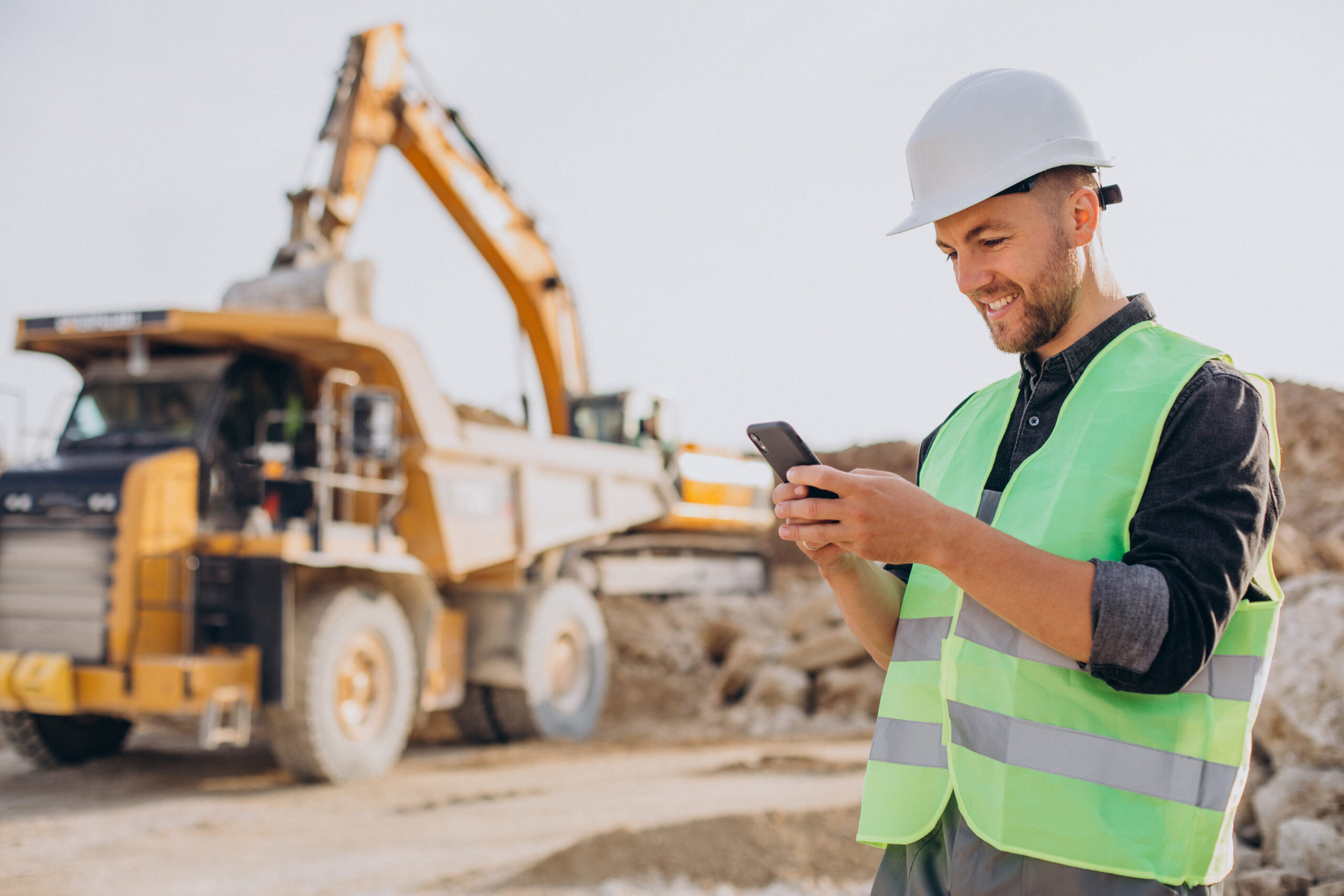
On a construction site, workers do not speak like safety manuals. A worker might ask a simple question in Arabic, Hindi, Urdu or another language: “Can I use a grinder here? There are paint cans nearby and sparks are flying.” The safety document may not use those words at all. It may classify the same risk under formal terms such as “ignition sources” and “combustible materials”.
A keyword search can miss that connection because the words do not match. But the risk is still the same.
That gap between site language and document language is where safety knowledge can break down. It is also where AI needs to become practical, not impressive for its own sake.
The problem is not missing knowledge. It is access.
Most large contractors, developers and asset owners already have strong safety knowledge. They have SOPs, risk assessments, method statements, permit rules, emergency procedures, training content and client requirements. The challenge is that this knowledge often sits inside PDFs, portals, shared drives or back-office systems.
Technically, the information is available. Practically, it may not be usable by a worker standing on site with limited time, limited connectivity and a task already underway. That difference matters.
For frontline teams, the question is not, “Does this document exist somewhere?” The real question is, “Can the right person get the right answer when the work is happening?”
Why offline document intelligence matters
The Google DeepMind feature explains how Navatech uses EmbeddingGemma and Gemma 3n to support offline document intelligence. In simple terms, approved company documents can be prepared in advance, converted into a local knowledge base and made searchable on a worker’s device.
When a worker asks a safety question, the system can search the relevant guidance locally and generate a grounded answer in the worker’s language. This is especially important for sites where connectivity is uneven, expensive or unavailable.
For HSE teams, the value is not just that the answer is fast. The value is that the answer is grounded in approved safety knowledge rather than guesswork. In safety, AI should not be creative first. It should be correct, useful and available at the point of need.
Moving back-office knowledge to the work front
A lot of safety intelligence still lives far away from the work face. Policies are in one system, permits in another, training records somewhere else, and lessons learned often stay trapped in reports that are reviewed after the risk has already passed.
Navatech’s focus is to move that knowledge closer to the people doing the work. That means supporting the way frontline teams actually communicate: through mobile devices, voice notes, photos, multiple languages and quick questions asked under pressure.
This is why offline and edge-first AI matters. A system built only for perfect office conditions will not be enough for construction sites, remote projects, industrial facilities or other high-risk environments where work does not pause because the signal drops.
Building AI for real site conditions as Mukund Hirani, Co-founder and CTO of Navatech, shared in the Google DeepMind feature:
“Navatech exists to make AI work for the people who keep the world moving. Our mission is to give frontline workers practical, always-available support at the point of need, especially in environments where digital access is uneven, systems are complex and connectivity is limited.”
That idea sits at the centre of how we think about product development. AI should not create more complexity for the people already carrying the operational load. It should reduce friction, make approved knowledge easier to reach, and help teams act with more confidence in the moment.
The future of construction safety will not be built only around dashboards and back-office reporting. Those tools matter, but they are only part of the picture. The real test is whether a worker, supervisor or HSE officer can access the right guidance when it matters most.
Because on site, safety does not wait for someone to find the right PDF.
It has to be available in the moment.